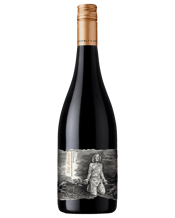
The world of mulled wine is a wild one. There are no rules, no limitations, and recipes vary between countries, cities and families. When the temperature dips, people all over the world head indoors to brew a batch of mulled wine, sharing their creation with friends, family and sure, even strangers. It’s a tradition that isn’t ending anytime soon.
The process of mulling – that is, adding fruits, spices and sugar to a hot drink – has been around since the peak of the Roman Empire, over a thousand years ago. The warm wine helped the soldiers survive long, cold winters, and as the reach of the Roman Empire spread across Europe, so too did mulled wine.
The Swedes call it glögg, the Germans mix up glühwein, the Italians sip on vin brulé, and the Russians? That glint in their eyes comes from glintwein. And although the recipes differ from place to place, the core elements are the same: red wine, brandy, cinnamon and cloves. You'll find it spicing up European Christmas markets, the aromas rising from coffee cups clutched against shivering chests. There’s no doubt it’s a cold-weather drink, so make the most of the admittedly mild Australian winter and rug up with a cup of it on the couch. Christmas in July, anyone?